

Activities

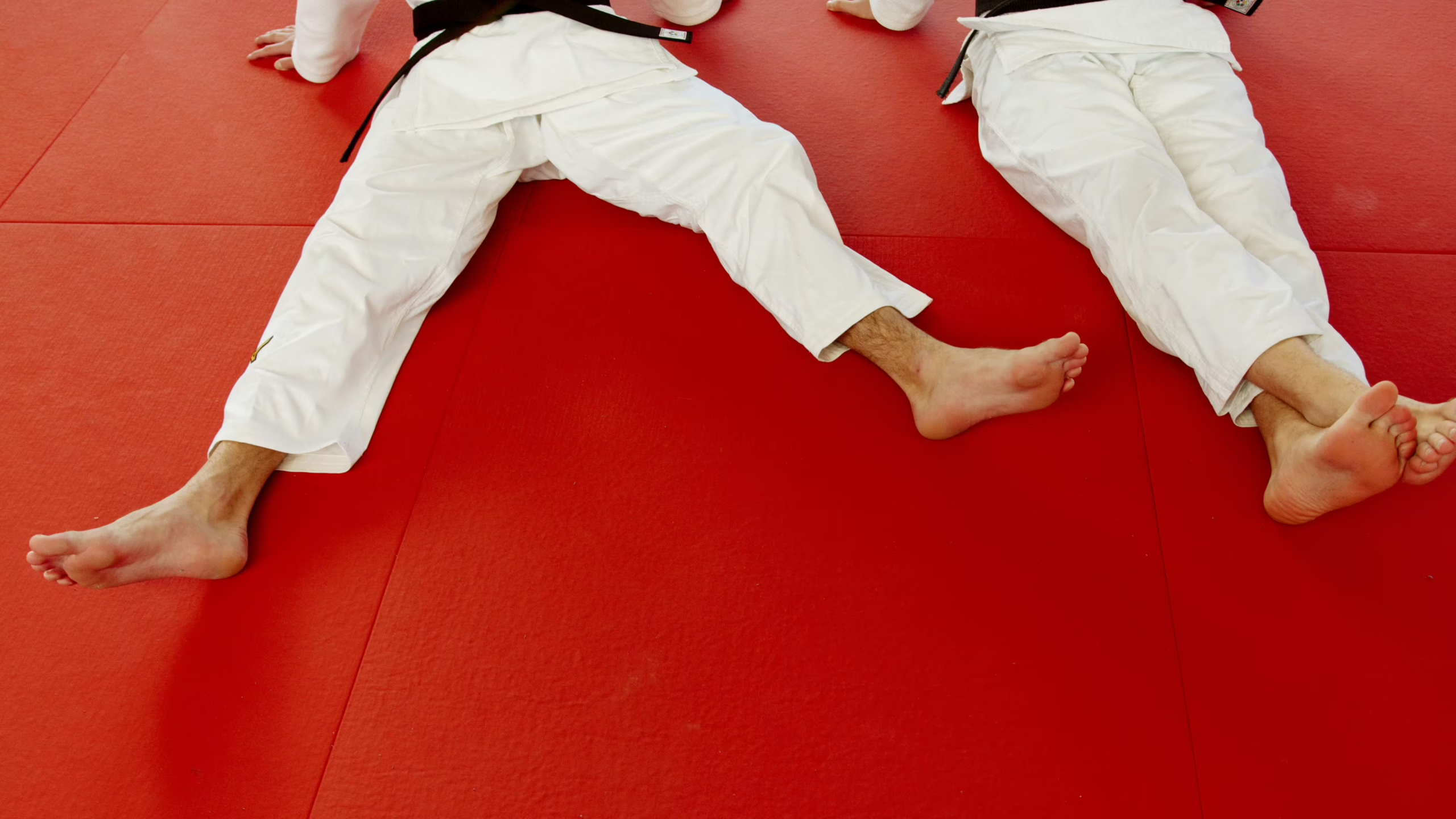
KARATE
Children's karate is an excellent discipline for children, as it teaches them fundamental values such as courtesy, self-control and perseverance. Through its practice, children learn to respect others, to remain calm in challenging situations and to persevere in their goals. In addition, karate encourages concentration, as children must be attentive and focused during training. This discipline also helps to build character, developing confidence and personal discipline. Finally, the balanced exercise offered by karate promotes optimal physical and mental health, as it combines dynamic movements that improve coordination, flexibility and endurance.
It is aimed at children from 3 to 6 years old (1st, 2nd and 3rd year of the second cycle of Infant Education).
GETTING EXCITED
The rationale of this activity is to offer children an extra tool in their emotional education to encourage their development and enhance their expression, creativity and self-esteem.
With Emocionarte they will increase their emotional awareness through art, stories, music and relaxation. All this in a playful and relaxed atmosphere, where enjoyment and learning are the most important things. With this activity, children will get to know themselves better and will be able to enjoy a healthy relationship with themselves and with others.
It is aimed at children from 3 to 6 years old (1st, 2nd and 3rd year of the second cycle of Infant Education).
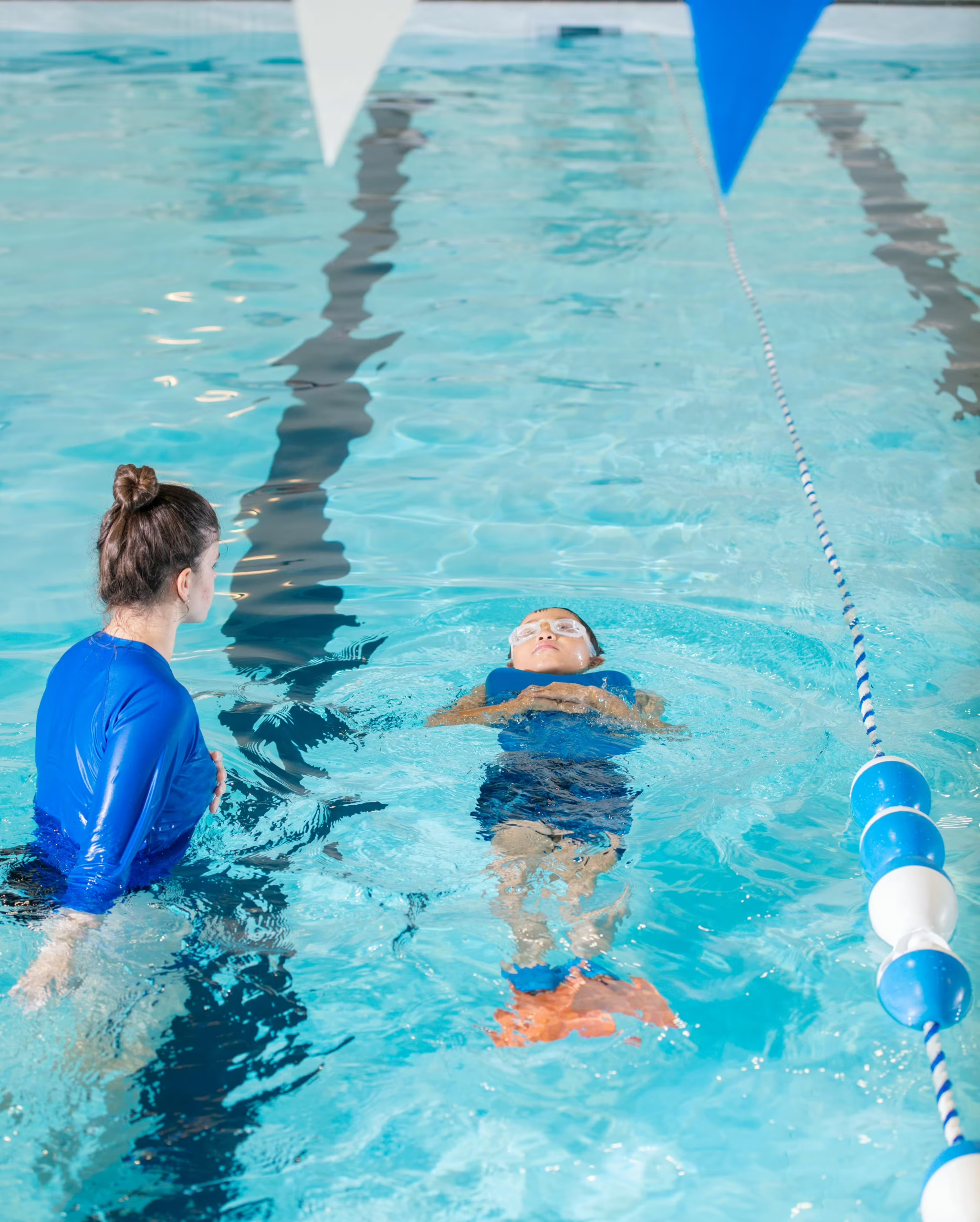
SWIMMING
Swimming in the infant stage is a fundamental activity for the physical and emotional development of children. Through constant practice in the water, children improve their motor coordination, as they must synchronise their movements in order to swim efficiently. In addition, by facing the challenge of staying afloat and moving through the water, they develop their balance and body awareness.
Swimming also fosters independence, as children learn to manage their bodies in a different environment than on land, which allows them to gain self-confidence. This independence, together with the achievements made by overcoming fears or reaching goals in the water, strengthens self-confidence. In this way, swimming is not only a physical exercise, but also a powerful tool for children's emotional growth.
It is aimed at children from 2 to 6 years old (3rd year of the first cycle and 1st, 2nd and 3rd year of the second cycle of Infant Education).
S.T.E.A.M.
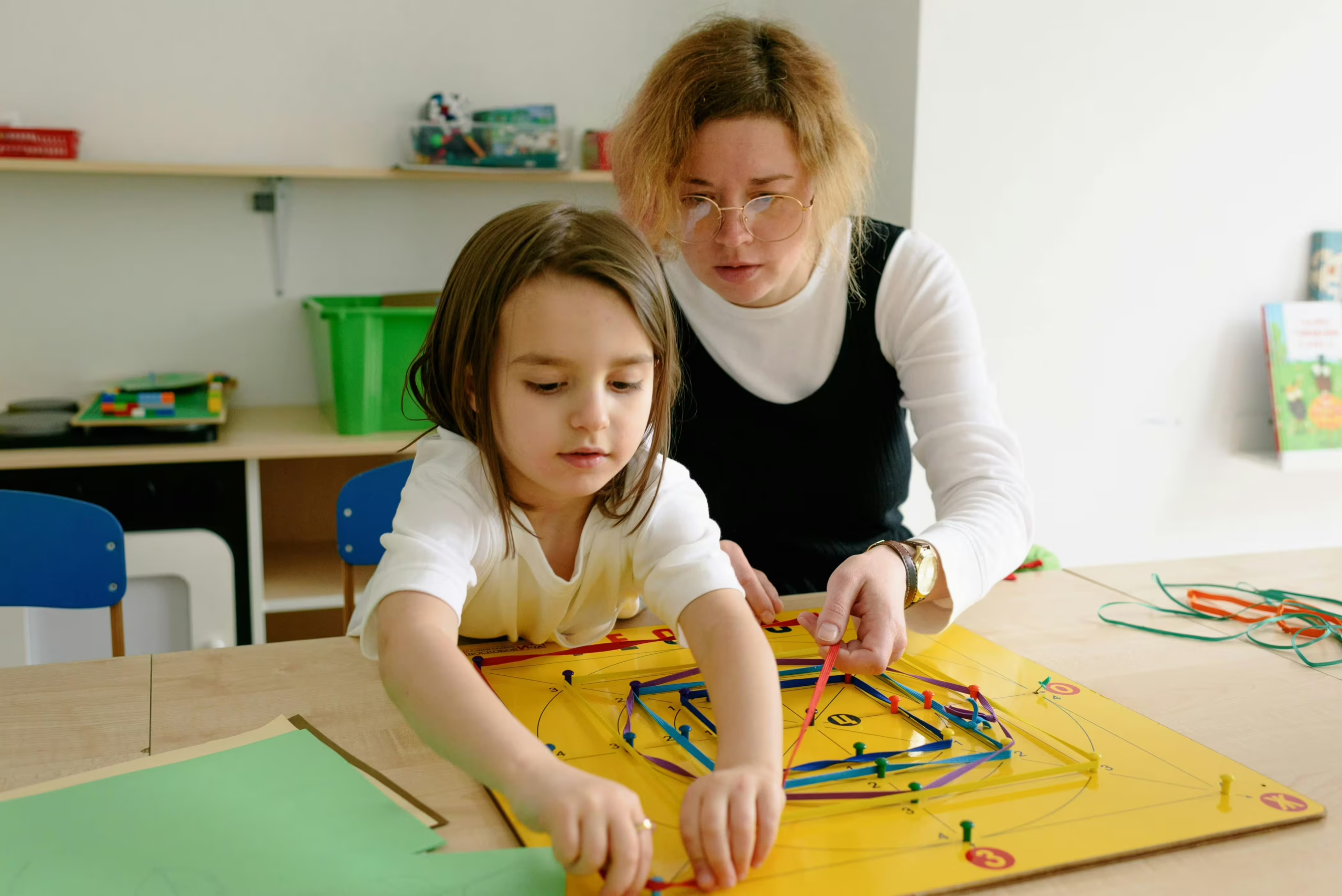
The STEAM activity is based on a pedagogical approach that integrates Science, Technology, Engineering, Art and Mathematics in a transversal way, promoting the development of key skills for the children's future. Through this methodology, children learn to use the scientific method, enhance their creativity in problem solving and improve their critical thinking. The most important thing is that, in addition to acquiring this knowledge, they have fun while doing experiments, solving puzzles and practising English, enjoying the learning process in a dynamic and practical way.
It is aimed at children from 3 to 6 years old (1st, 2nd and 3rd year of the second cycle of Infant Education).
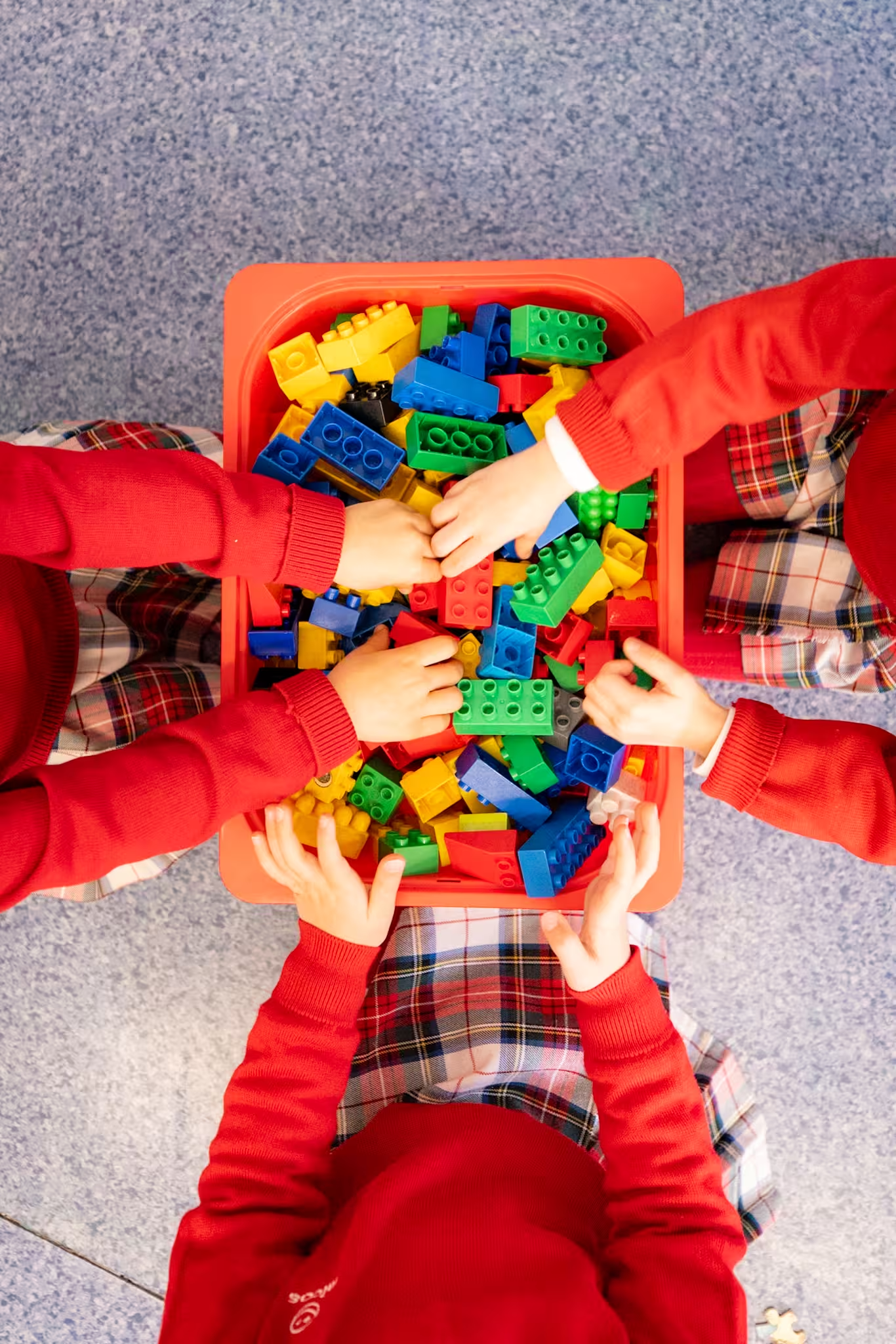
PSYCHOMOTOR SKILLS
Child psychomotor skills is a discipline that studies the relationship between mental processes and movement in children. Through physical activities and games, the development of motor, cognitive, emotional and social skills is encouraged. This holistic approach allows children to improve their coordination, balance, body perception and, at the same time, strengthen their self-esteem, communication and conflict resolution. Psychomotor skills also contribute to learning, helping children to understand their bodies and the environment around them more effectively.
It is aimed at children from 1 to 6 years of age (2nd and 3rd year of the first cycle and 1st, 2nd and 3rd year of the second cycle of Infant Education).
BALLET
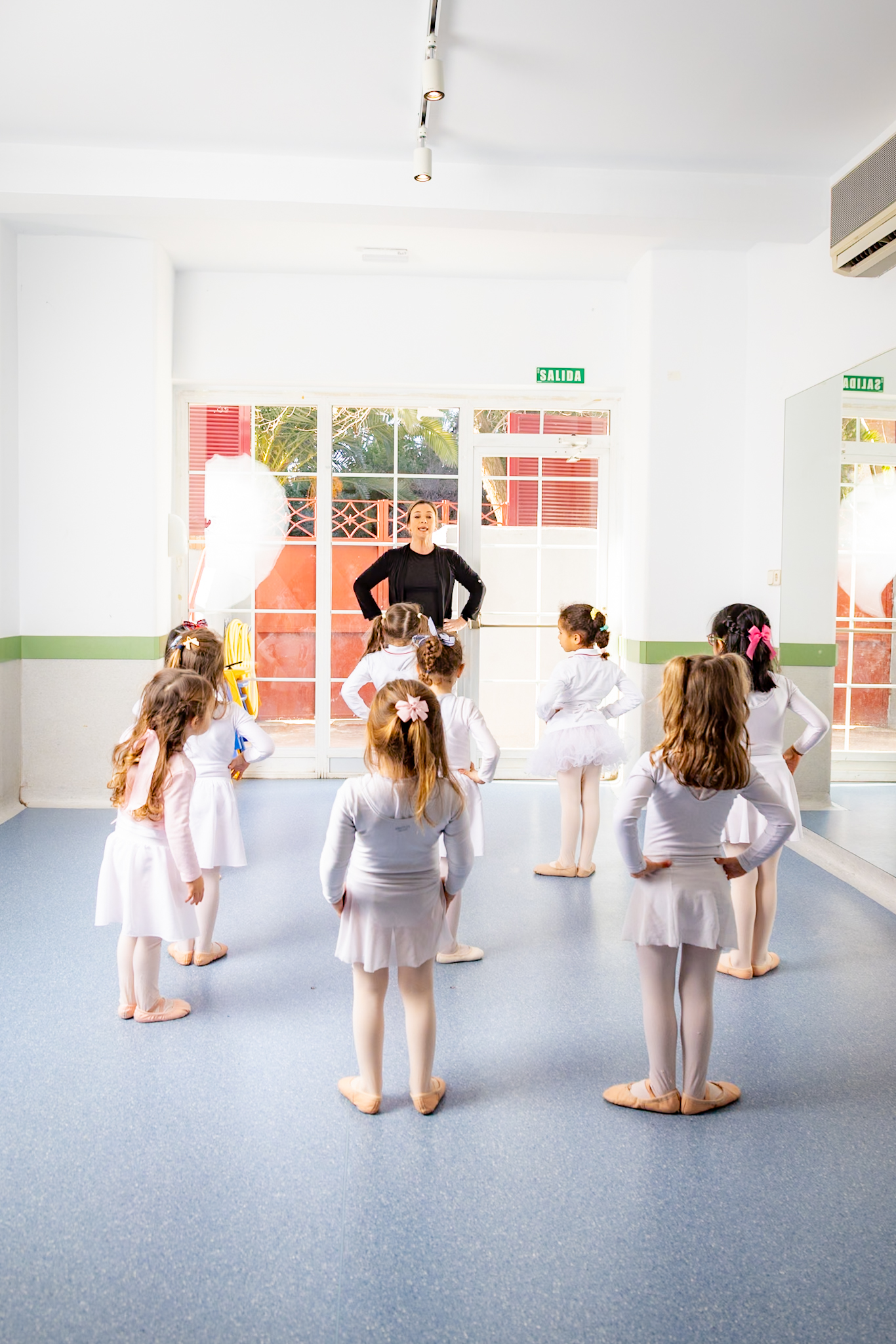
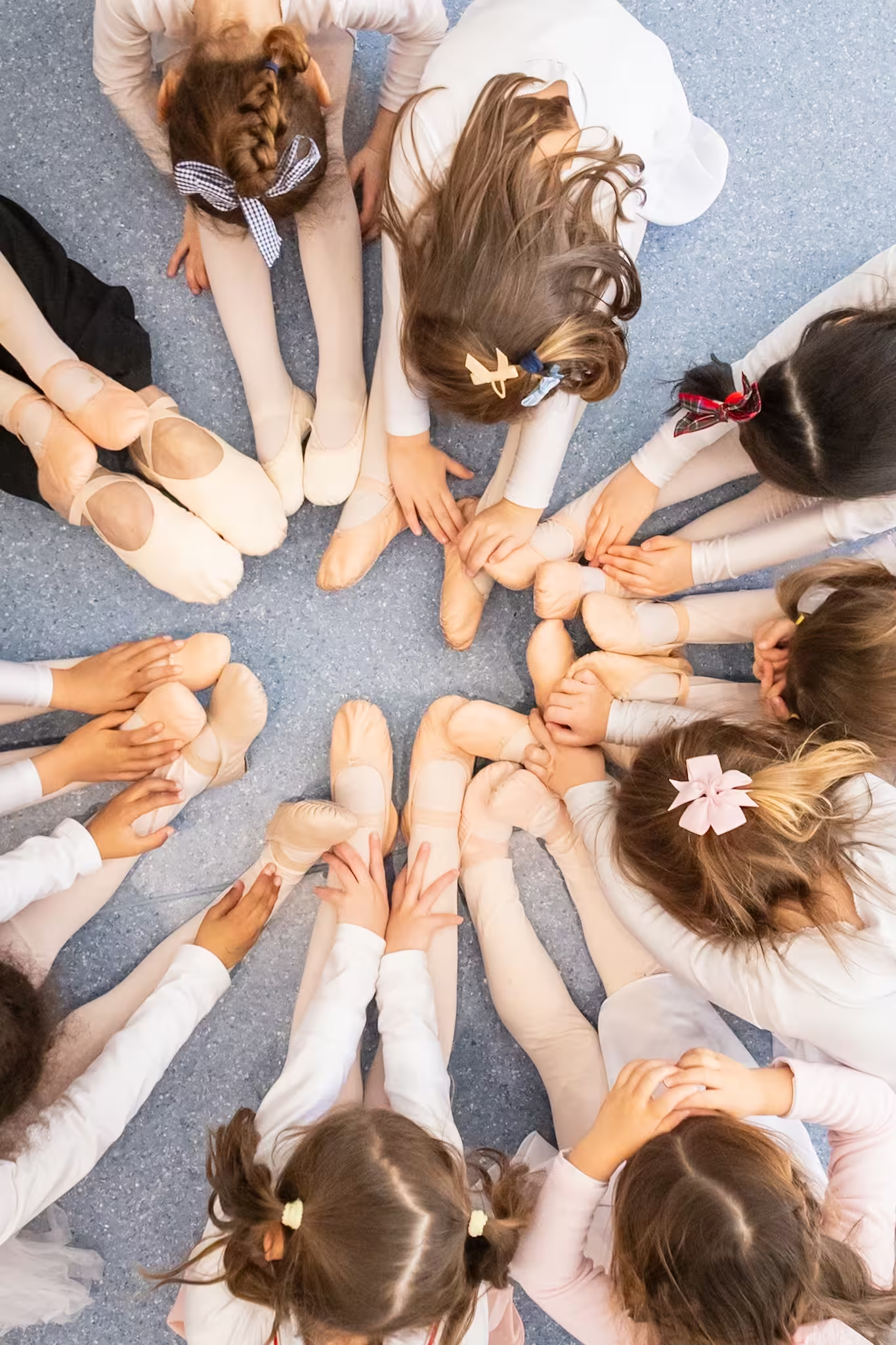
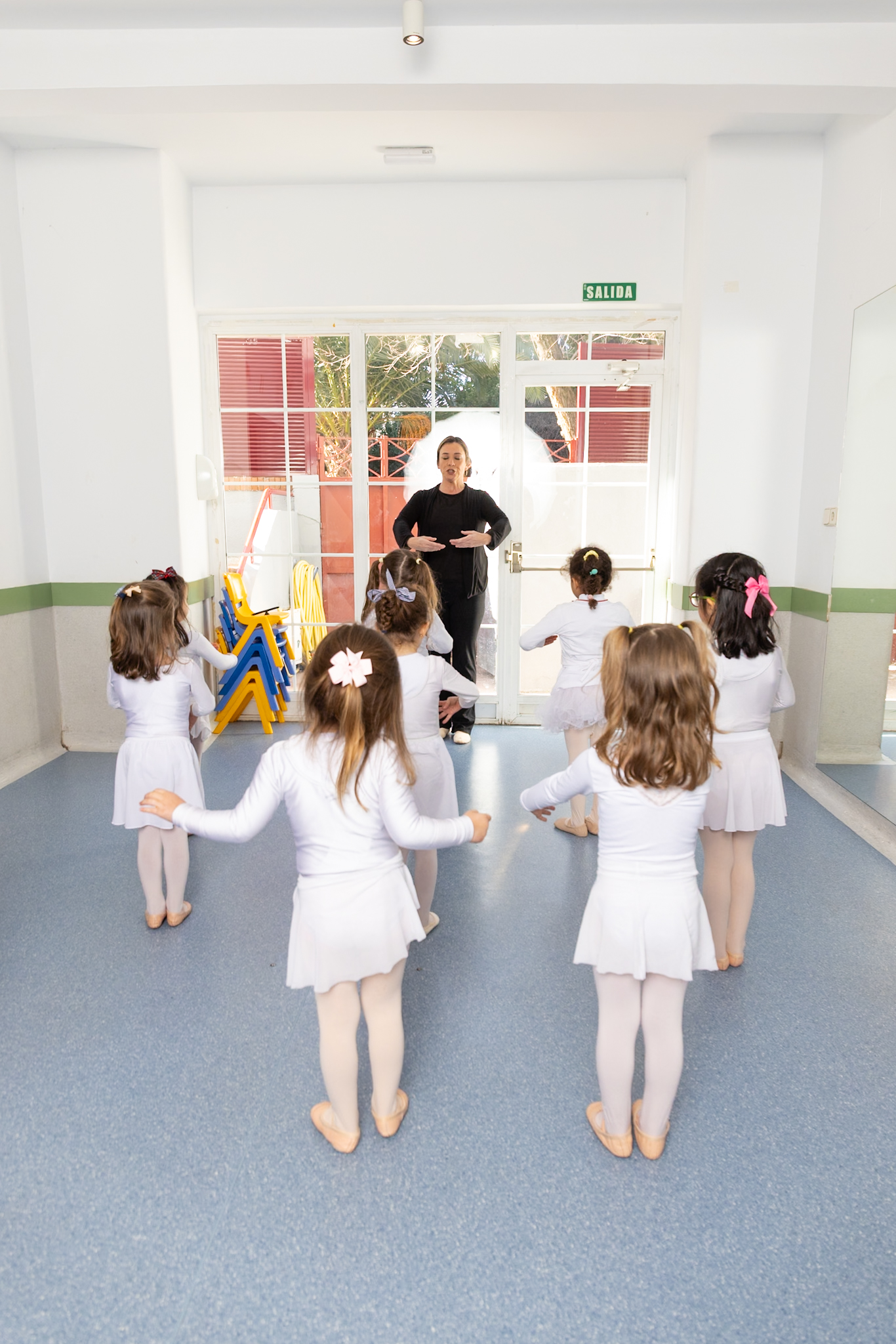
Children's ballet is an activity that goes beyond simple dance, as it helps girls develop both their cognitive and motor systems. Through movement, they learn to coordinate their bodies and improve their posture, which favours their physical development. In addition, by practising ballet, they begin their rhythmic, musical and dramatisation training, which stimulates their creativity and emotional expression. This discipline not only improves agility and flexibility, but also contributes to strengthening cognitive skills such as concentration and memory.
It is aimed at children from 3 to 6 years old (1st, 2nd and 3rd year of the second cycle of Infant Education).
 Español
  English (UK)